Understanding Concrete Cleaning
Concrete surfaces, found in driveways, patios, sidewalks, and commercial spaces, can accumulate a variety of stains and debris over time. Regular maintenance through professional concrete cleaning is not just recommended; it’s essential to uphold the aesthetic and structural integrity of these surfaces. This article dives deep into the nuances of concrete cleaning in Kissimmee, FL, providing insights into techniques, safety precautions, costs, and trends to prepare you for the future.
What is Concrete Cleaning?
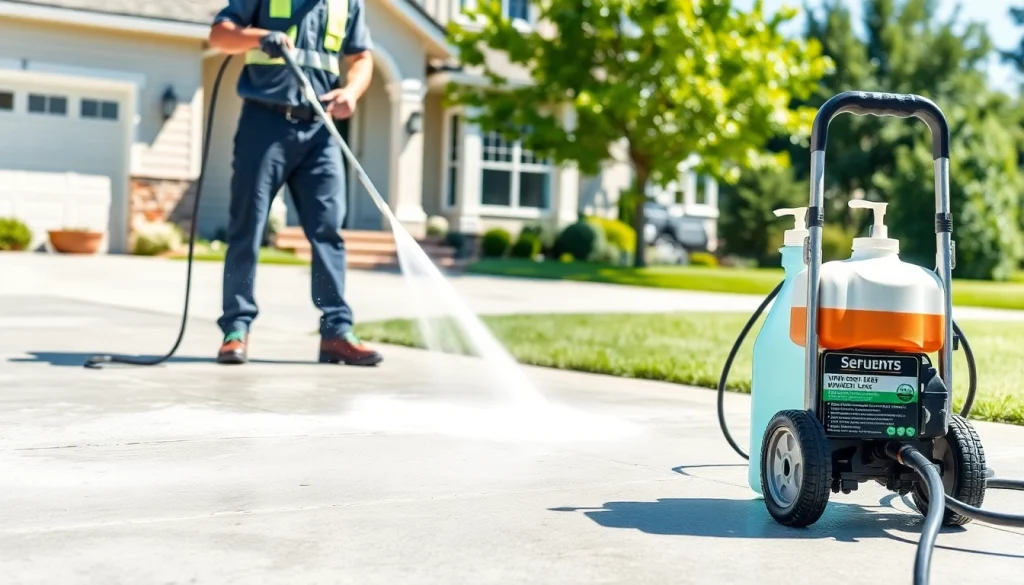
Concrete cleaning refers to the process of removing dirt, stains, algae, mold, and other contaminants from concrete surfaces. This cleaning can be achieved through various methods, including pressure washing, chemical treatments, or a combination of both. The goal is not only to enhance the looks of the concrete but also to extend its lifespan and functionality.
Benefits of Professional Concrete Cleaning
- Enhanced Curb Appeal: Clean concrete significantly boosts the visual appeal of a property.
- Preventative Maintenance: Regular cleaning can help prevent long-term damage, ensuring longevity.
- Improved Safety: Removing slick spots due to algae or oil can prevent slips and falls.
- Increased Property Value: Well-maintained properties are more attractive to potential buyers or renters.
Common Misconceptions About Concrete Maintenance
Many property owners believe that concrete maintenance is only needed when severe staining occurs. However, regular upkeep is equally important to prevent deterioration. Additionally, some may think that DIY cleaning methods are sufficient, but they often lack the effectiveness of professional services.
Techniques and Equipment for Effective Concrete Cleaning
Understanding the various techniques and equipment used in concrete cleaning can help you make informed decisions about your property maintenance.
High-Pressure vs. Soft Washing Techniques
High-pressure washing uses a powerful jet of water to remove tough stains and debris, making it ideal for heavily soiled areas. Conversely, soft washing employs a lower pressure combined with specialized cleaning agents to gently wash surfaces without causing damage. This is particularly beneficial for decorative concrete or older surfaces.
Essential Tools for Concrete Cleaning
Key tools used in concrete cleaning include:
- Pressure Washers: Essential for high-pressure cleaning tasks.
- Surface Cleaners: Tools that attach to pressure washers to clean large flat areas evenly.
- Chemical Cleaners: Specific formulations that break down grease, oil, and stains.
- Hand Tools: Brushes and scrapers for pre-treating stains or detail work around edges.
Choosing Eco-Friendly Cleaning Solutions
Many property owners are increasingly opting for eco-friendly cleaning solutions to minimize environmental impact. These biodegradable products can effectively clean without harming the surrounding landscape or waterways.
Safety Precautions During Concrete Cleaning
Safety should always be a priority during any cleaning task, especially when using powerful machinery.
Personal Protective Equipment (PPE) Essentials
To ensure safety during concrete cleaning, it’s crucial to wear appropriate PPE, which may include:
- Safety goggles to protect eyes from debris.
- Gloves to shield hands from harsh chemicals.
- Non-slip shoes to prevent accidents on wet surfaces.
- Ear protection when using loud equipment.
Safe Usage of Pressure Washers
When using pressure washers, it’s important to follow all manufacturer guidelines. Always start with the lowest pressure setting and gradually increase as needed. This approach minimizes the risk of damaging the concrete.
Environmental Considerations for Water Runoff
Concrete cleaning can generate runoff that may contain harmful chemicals or debris. It’s essential to have a strategy in place to manage this runoff, ensuring it does not contaminate local waterways.
Cost Factors in Concrete Cleaning Services
Understanding the costs associated with concrete cleaning services is crucial for budgeting purposes.
Averaging Costs: What to Expect?
On average, professional concrete cleaning services cost between $1 to $3 per square foot. This range can vary based on factors such as the size of the area being cleaned and the severity of the stains.
Cost-Benefit Analysis of Professional Services vs. DIY
While DIY methods may seem cost-effective, they often lack the efficiency and results provided by professionals. Additionally, improper DIY techniques can lead to permanent damage, leading to higher repair costs in the long run.
Understanding Pricing Structures in the Industry
Pricing in the concrete cleaning industry can be influenced by factors such as the type of service (pressure washing vs. soft washing), the geographic location, and the complexity of the job. When selecting a service, it’s important to obtain detailed quotes to ensure transparency in pricing.
Future Trends in Concrete Cleaning by 2025
As technology evolves and environmental considerations take precedence, concrete cleaning will continue to adapt.
Advancements in Cleaning Technology
The industry is seeing innovations such as automated cleaning robots and more efficient pressure washer designs that save time and resources while enhancing cleaning effectiveness.
The Impact of Sustainability on Concrete Cleaning Methods
As environmental consciousness grows, there will be a significant shift toward sustainable cleaning products and methods. This will likely include greater use of non-toxic cleaners and water-reclamation practices.
Preparing for Increasing Demand in Eco-Friendly Services
With rising consumers’ preferences for eco-friendly options, businesses that specialize in sustainable concrete cleaning solutions will gain a competitive edge.