
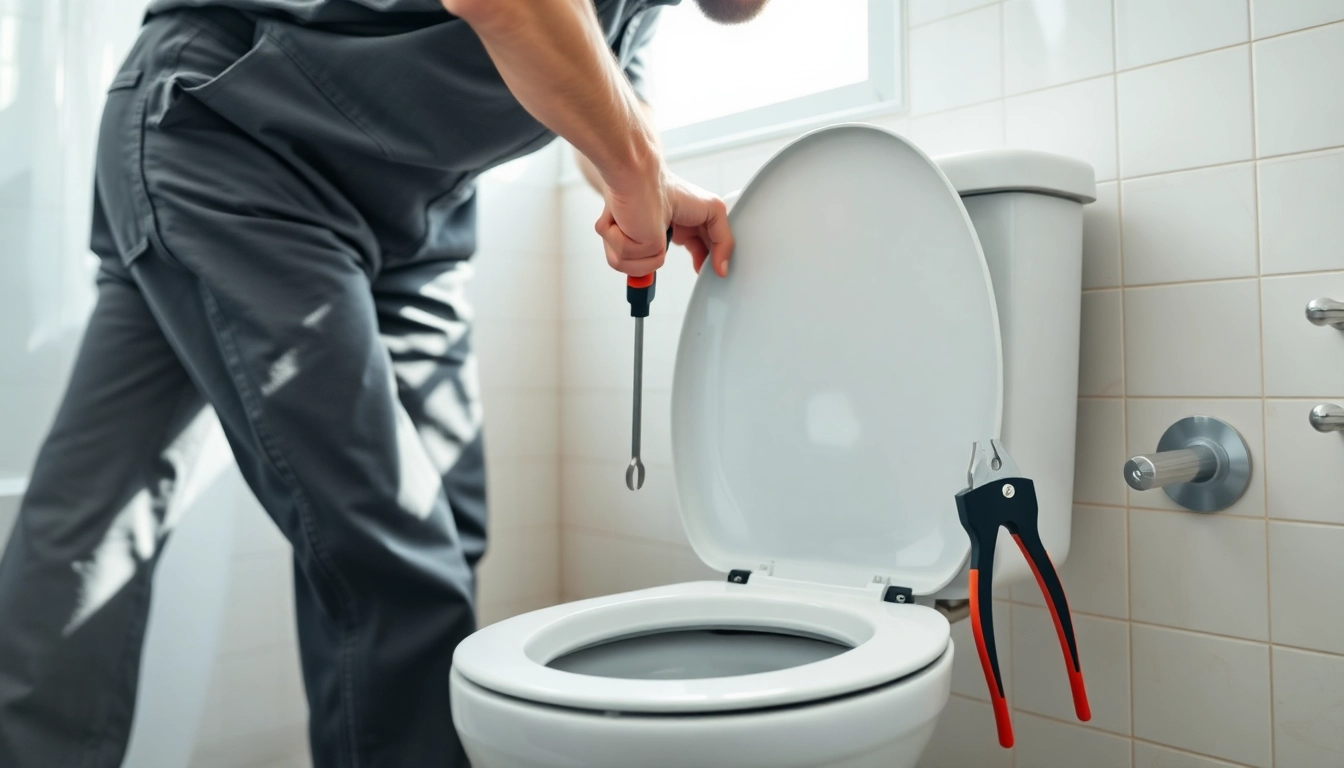
Understanding Common Toilet Repair Issues
Every homeowner inevitably encounters toilet problems at some point. Understanding the common issues can save time, money, and a significant amount of frustration. From minor leaks to flushing failures, it's essential to identify and address these problems promptly. This guide focuses on toilet repair techniques that will empower you to take control of your home's plumbing.
Identifying Leaks in Your Toilet
Leaks are one of the most prevalent issues with toilets and can lead to significant water waste and increased utility bills. A slow leak may not always be visible, so it’s crucial to know how to spot them:
- Observe the Base: Check for any water pooling around the base of the toilet, which could indicate a wax seal failure.
- Listen Carefully: A continuous hissing or running noise might indicate a leak within the tank.
- Food Coloring Test: Add a few drops of food coloring into the tank and wait for about 30 minutes. If the color appears in the bowl, there is a leak in the flapper valve.
Signs Your Toilet Needs Repair
While some toilet issues are obvious, others may require a keen eye. Here are some signs indicating your toilet might need repair:
- Weak Flush: If the toilet does not flush completely or frequently gets clogged, it may need attention.
- Unusual Noises: Gurgling or burping sounds can signal problems with the pipes or venting.
- Frequent Refills: If your toilet tank is refilling more often, it could indicate a malfunction.
Understanding Internal Components
To effectively troubleshoot your toilet, familiarize yourself with its internal components:
- Flapper Valve: Controls water flow from the tank to the bowl. Damage or misalignment may cause leaks.
- Fill Valve: Fills the tank after flushing. A faulty valve can lead to persistent running.
- Overflow Tube: Prevents the tank from overflowing. A crack or break can lead to leaks.
Essential Tools for Toilet Repair
Basic Tools Every Homeowner Should Have
Before diving into any DIY repairs, ensure you have the essential tools on hand. These include:
- Pliers: Useful for gripping and turning nuts and bolts.
- Adjustable Wrench: Ideal for tightening or loosening fittings.
- Flathead and Phillips Screwdrivers: Needed for various screw types during disassembly or assembly.
- Toilet Plunger: Essential for clearing clogs in the toilet.
Advanced Tools for Complex Repairs
In some cases, more complex repairs may necessitate specialized tools, such as:
- Toilet Auger: Effective for deep clogs that standard plungers cannot reach.
- Pipe Wrench: Provides better leverage and grip on large plumbing fittings.
- Toilet Seat Wrench: A small, specialized tool for removing stubborn toilet seats.
Where to Source Quality Tools
Investing in quality tools is crucial for successful repairs. They can generally be sourced from:
- Local Hardware Stores: Often offer knowledgeable staff who can guide you to the right tools.
- Home Improvement Centers: Large chain stores frequently carry extensive tool selections at competitive prices.
- Online Retailers: Websites often provide customer reviews and competitive pricing, making it easy to compare options.
Step-by-Step Guide to DIY Toilet Repair
Preparing Your Workspace
Before beginning any repair work, it’s essential to prepare your workspace:
- Turn Off the Water Supply: Locate the shutoff valve near the base of the toilet and turn it clockwise.
- Drain the Toilet Tank: Flush the toilet to empty the tank, then sponge out any remaining water.
- Gather Tools: Assemble all the necessary tools nearby to streamline the repair process.
Common Repairs Explained
Below are some of the most common toilet repairs that you can handle yourself:
- Flapper Replacement: If your toilet is running continuously, replacing the old flapper valve is usually a quick fix.
- Fill Valve Replacement: A faulty fill valve can cause inadequate tank filling. Replacing it can restore functionality.
- Adjusting the Float: Adjusting the float height can often resolve flushing or filling issues.
Safety Measures During Repairs
Safety is paramount when performing any home repairs. Follow these precautions:
- Use gloves to protect your hands from debris and sanitizers.
- Ensure proper ventilation in the area, particularly when working with cleaning agents.
- Handle tools carefully, keeping them in good condition to prevent any accidents.
When to Call in a Professional for Toilet Repair
Recognizing Complex Issues
Not all toilet repairs are suitable for DIY. Here are situations where professional help is necessary:
- Frequent Clogs: Persistent clogs could indicate more significant plumbing issues.
- Leak Under the Floor: A leak that is hard to locate or under the floor requires professional assessment.
- Inconsistent Water Levels: If adjusting the float doesn't resolve this issue, seek professional assistance.
Cost Considerations
Before deciding to call a plumber, consider the potential costs:
- Service Fees: Some companies charge a flat fee, while others bill hourly, plus material costs.
- Repair Complexity: Simple repairs will generally be less expensive than major plumbing problems.
- Emergency Calls: After-hours or holiday service calls often incur additional charges.
Finding the Right Expert
When seeking out a professional for toilet repair, consider these tips:
- Seek Recommendations: Ask friends or family for reliable plumbing services they have used.
- Check Reviews: Look for online reviews and ratings to find reputable professionals in your area.
- Get Multiple Quotes: Obtain quotes from several service providers to ensure a fair price.
Preventative Maintenance for a Trouble-Free Toilet
Regular Inspection Tips
Maintaining your toilet through regular inspections can greatly reduce the likelihood of repairs:
- Monthly Checks: Verify that all components are working correctly and look for potential leaks.
- Inspect Water Levels: Ensure water levels in the tank remain consistent and adjust as necessary.
- Flush Systematically: Regular flushing can help identify any potential issues early on.
Best Practices to Extend Toilet Lifespan
Taking care of your toilet can extend its lifespan and performance:
- Use Toilet Safe Cleaners: Avoid harsh chemicals that can damage internal components.
- Avoid Flushing Foreign Objects: Limit what goes into the toilet to avoid clogs.
- Replace Aging Parts: Proactively replace worn components to prevent future issues.
Benefits of Professional Maintenance Services
Investing in a professional maintenance service can provide valuable benefits:
- Comprehensive Inspections: Professionals can identify hidden issues before they become costly repairs.
- Expert Knowledge: Certified plumbers bring experience and knowledge, ensuring proper fixes and installations.
- Peace of Mind: Knowing a professional is maintaining your plumbing can reduce anxiety about potential issues.
FAQs About Toilet Repair
1. How often should I check my toilet for leaks?
It's advisable to check your toilet for leaks at least once a month as part of regular home maintenance.
2. Can I fix a running toilet myself?
Yes, many running toilet issues, like a faulty flapper or fill valve, can be easily repaired with basic tools.
3. What should I do if my toilet is clogged?
Start with a plunger. If that doesn't work, consider using a toilet auger or contacting a professional.
4. When is it time to replace my toilet?
If your toilet is frequently malfunctioning or exhibiting severe wear and tear, replacement may be the best option.
5. How can I prevent toilet problems?
Regular maintenance checks, using the toilet properly, and replacing old components can help avert issues.