
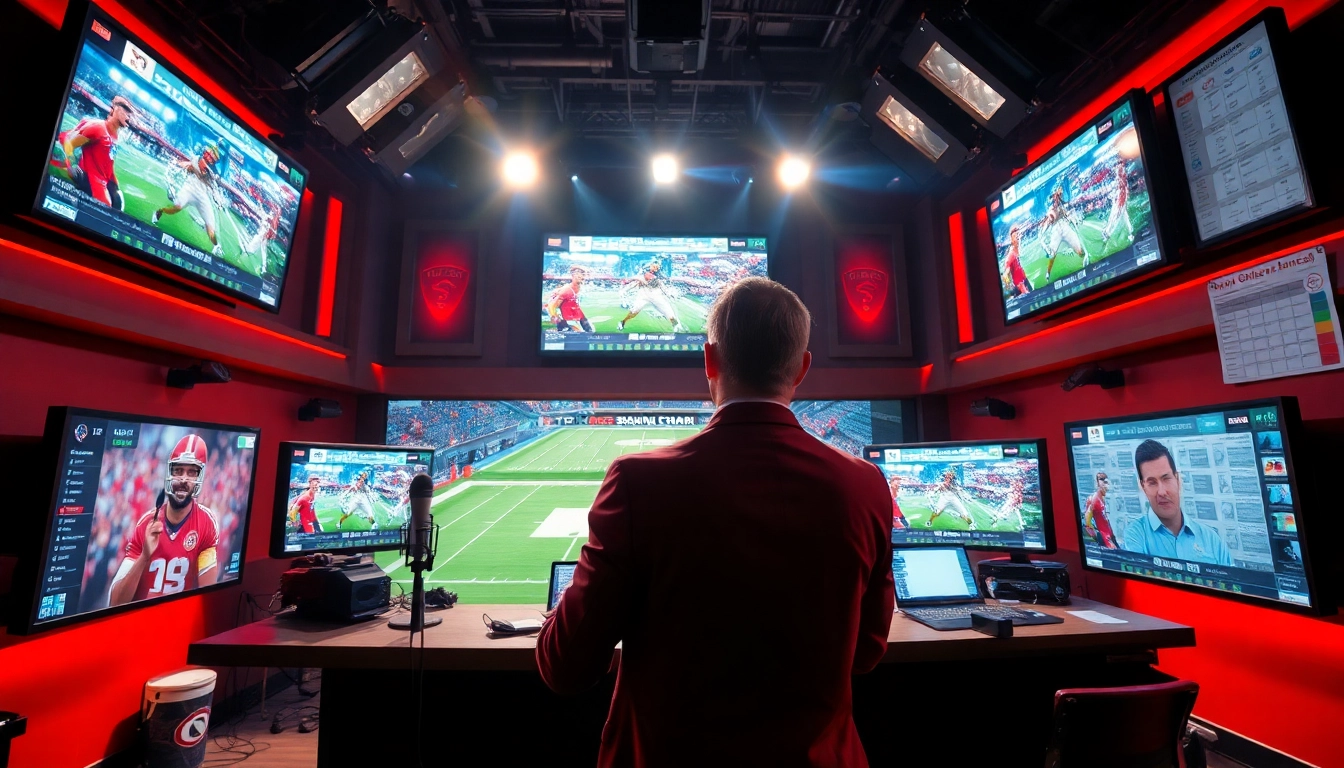
The Fundamentals of Sports Broadcasting
Understanding Sports Broadcasting
Sports broadcasting is an intricate process that involves delivering live or recorded coverage of sports events to audiences across various platforms. This delivery can occur through television, radio, or online streaming services. The primary objective of sports broadcasting is to provide viewers with an immersive experience that includes play-by-play commentary, expert analysis, and engaging visuals. Additionally, it helps foster a sense of community among fans who engage with the content, promoting discussions and interactions around their favorite teams and athletes. A crucial aspect of sports broadcasting is integrating technology, which has enhanced the viewer experience significantly, and ensuring that audience engagement is always at the forefront. For a deep dive into the various facets of this industry, consider exploring articles that cover Sports Broadcasting.
The Role of Technology in Sports Broadcasting
Technology plays a pivotal role in modern sports broadcasting. It enables broadcasters to deliver high-quality graphics, real-time statistics, and instant replay features that enrich the viewing experience. An essential tool in this field is the use of advanced camera systems, including high-definition and 4K cameras, which capture the action from multiple angles. Additionally, broadcasting software that integrates augmented reality (AR) allows broadcasters to overlay graphics that enhance storytelling. Furthermore, the reliance on advanced data analytics tools provides analysts with insights derived from player performance metrics, improving commentary and strategic discussions. Cloud-based systems have also transformed how content is distributed, allowing for seamless access and remote productions.
Key Skills for Sports Broadcasters
For those aspiring to enter the field of sports broadcasting, a mix of technical skills, communication abilities, and analytical prowess is essential. Key skills include:
- Communication: Clear and engaging verbal communication to convey information concisely.
- Technical Proficiency: Familiarity with broadcasting equipment, software, and online platforms.
- Storytelling: The ability to craft compelling narratives around games, players, and events.
- Analytical Skills: Understanding game strategies, player stats, and other analytics to enrich commentary.
- Adaptability: Remaining calm and resourceful during live broadcasts, especially when unexpected situations arise.
Creating Engaging Content in Sports Broadcasting
Types of Content that Captivate Audiences
Engagement in sports broadcasting often hinges on the type of content produced. Various formats can captivate audiences differently, including:
- Live Game Coverage: Streaming the game with commentary, instant replays, and expert insights.
- Pre- and Post-Game Shows: Analysis, interviews, and discussions about strategies or player performances before and after matches.
- Documentaries: In-depth explorations of athletes' lives, teams, or historical events within the sports world.
- Interactive Segments: Engaging the audience through polls, quizzes, and live chats during broadcasts.
- Podcasts: Offering insights and discussions about current trends or historical events in sports.
Utilizing Storytelling Techniques in Sports Broadcasting
Storytelling in sports broadcasting is vital for creating a narrative that resonates with viewers. Broadcasters should weave personal stories and context around the game, such as:
- Player Backgrounds: Insights into the personal journeys of players, highlighting struggles, achievements, and milestones.
- Game Histories: Narratives about previous encounters between teams, laying foundations for rivalries and history.
- Audience Anecdotes: Incorporating fan experiences or social stories that connect the audience to the event.
This approach not only enhances the viewing experience but also creates emotional bonds between the audience and the content.
Leveraging Social Media for Enhanced Engagement
Social media has revolutionized how sports broadcasters interact with their audiences. Platforms like Twitter, Instagram, and Facebook allow for real-time updates, community interactions, and the sharing of highlight reels and behind-the-scenes content. Broadcasters should:
- Engage Followers: Respond to audience comments, share viewer-generated content, and facilitate discussions around events.
- Share Exclusive Content: Offer insider information, player interviews, and sneak peeks to incentivize following.
- Create Hashtags: Use specific hashtags for events to centralize conversations and encourage audience participation.
Through effective social media strategies, broadcasters can foster a sense of community among viewers and keep fans engaged long after events end.
The Importance of Audience Interaction
Building a Community Around Sports Broadcasting
A thriving sports broadcasting ecosystem is built on community. By encouraging audience interaction, broadcasters can cultivate an engaged fan base. Strategies include:
- Creating Online Forums: Establishing platforms for fans to discuss and share opinions promotes loyalty and engagement.
- Fan Polls and Surveys: Using polls during broadcasts to gauge viewer opinions on plays, strategies, or performances keeps audiences invested.
- Hosting Live Events: Organizing fan meet-ups or interactive online events can deepen connections between broadcasters and their audience.
Techniques for Encouraging Viewer Participation
Encouraging viewer participation requires strategic planning and innovation. Broadcasters can consider various techniques:
- Q&A Sessions: Hosting live Q&A sessions with analysts or athletes facilitates direct interaction.
- Interactive Webinars: Conducting in-depth discussions on topics of interest allows for audience questions and thoughts.
- Fan Contests: Engaging audiences with contests or giveaways promotes participation and excitement during broadcasts.
Measuring Audience Engagement and Feedback
To improve content and better engage viewers, it is crucial for broadcasters to measure audience feedback effectively. Techniques to assess this include:
- Analytics Tools: Utilizing data from streaming platforms and social media to analyze viewer behavior and preferences.
- Surveys: Conducting post-event surveys to gather feedback on viewer experience and content satisfaction.
- Engagement Metrics: Tracking likes, shares, comments, and active participation during broadcasts to understand audience interests.
Best Practices in Live Sports Broadcasting
Preparing for Live Events: A Step-by-Step Guide
Preparation is key to successful live sports broadcasting. A systematic approach helps ensure that the broadcast runs smoothly:
- Pre-Event Research: Gather comprehensive information on teams, player statistics, recent performances, and historical data.
- Coordinate with the Team: Conduct pre-broadcast meetings with technical teams to ensure all equipment functions properly.
- Review Broadcast Schedule: Double-check timings, ad breaks, and segment arrangements for a seamless flow.
- Practice Runs: Conduct rehearsal runs where possible to tweak any potentially problematic areas.
Handling Unexpected Situations During Broadcasts
In live broadcasting, unexpected situations can arise at any moment. Effective strategies to handle these include:
- Maintain Composure: Staying calm in front of the camera influences how you deliver problematic situations to the audience.
- Have Backup Plans: Prepare contingency plans for common issues like technical failures or sudden interruptions.
- Communicate Clearly: Informing the audience transparently about any disruptions helps maintain viewer trust.
Improving Team Collaboration in Broadcasting
Collaboration is essential among teams to ensure that all aspects of the broadcast align well. Strategies to enhance collaboration include:
- Clear Roles and Responsibilities: Assign specific tasks to team members to streamline the broadcasting process.
- Team Briefings: Conduct regular briefings before and after events to discuss feedback and areas of improvement.
- Shared Technology Platforms: Utilize collaborative tools and platforms where team members can share information and updates in real-time.
Future Trends in Sports Broadcasting
Emerging Technologies and Their Impact on Sports Broadcasting
The future of sports broadcasting is set to be influenced by several emerging technologies. These include:
- 5G Technology: Offering faster streaming rates and improved content delivery, which enhances the overall viewer experience.
- AI and Machine Learning: Automating content creation, providing personalized viewer experiences, and optimizing broadcasts based on audience behavior.
- Data Visualization: Innovative data representation technologies will improve how statistics and analytics are presented to the audience, enhancing understanding and engagement.
The Rise of Virtual and Augmented Reality in Broadcasting
Virtual reality (VR) and augmented reality (AR) are redefining viewer experiences in sports broadcasting. These technologies enable:
- Immersive Experiences: Audiences can engage with content in a fully immersive environment, watching games from different perspectives.
- Enhanced Interaction: Viewers can interact with AR graphics related to statistics or player information in real-time.
- Virtual Environments: Creating virtual venues that allow fans to experience the thrill of live events from afar.
Predicting the Future of Audience Engagement in Sports
As technology advances, predicting the future of audience engagement in sports broadcasting can be informed by current trends. Key predictions include:
- Interactive Viewing: Viewers will likely demand more control over their viewing experience, allowing them to select camera angles or access in-depth statistics.
- Community-Driven Content: Platforms may increasingly rely on user-generated content and fan interactions to improve broadcast formats.
- Personalization: Tailored content that meets the preferences of individual viewers will become the standard in sports broadcasting.
FAQs
What is sports broadcasting?
Sports broadcasting involves the live transmission of sports events through various media platforms, providing commentary and analysis for audiences.
What technologies are essential for sports broadcasting?
Modern sports broadcasting relies on cameras, production software, and high-speed internet to deliver real-time coverage and analysis.
How can I engage my audience effectively?
Effective audience engagement can be achieved through interactive content, compelling storytelling, and leveraging social media platforms.
What are the best practices for live sports broadcasting?
Best practices include thorough preparation, team collaboration, clear communication, and adaptability to unforeseen circumstances during broadcasts.
What trends should I watch in sports broadcasting?
Watch for advancements in virtual and augmented reality, increasing use of data analytics, and evolving audience preferences for interactive experiences.